The Future of Noise Control Education
The Monday Plenary session will feature a panel discussion on the future of noise control education. Noise and vibration control engineering skills continue to be vital to many industry sectors. Having trained experts in noise and vibration control is vital to new product development, building design and construction, and many other areas. In higher education, we see a steady shift away from noise and vibration education as newer, hotter areas emerge. This has resulted in noise and vibration programs closing at some schools, and a shift in noise and vibration education from formal graduate school training to on-the-job training, through programs like those offered by INCE-USA. This panel, moderated by industry experts and consisting of senior university and industry leaders, will discuss the state of the noise and vibration education landscape in America and discuss how industry / academic partnerships may evolve to support the industry in the future.
The Tuesday and Wednesday plenary sessions will be held jointly with SAE. Information on these sessions can be found here.
Organizer and Panelist
 Dr. Andrew Barnard
is an acoustics researcher and INCE board-certified noise control engineer serving as the Vice President for Research and Professor of Mechanical and Aerospace Engineering at Michigan Technological University. With a Ph.D. in Acoustics from Penn State and a B.S. and M.S. in Mechanical Engineering from Michigan Tech, his expertise spans underwater sound propagation, carbon nanotube thin-film thermophones, structural acoustics, and noise control applications. An INCE-USA Fellow and serial co-founder, he previously directed Penn State's Graduate Program in Acoustics and Michigan Tech's Great Lakes Research Center.
Panelists
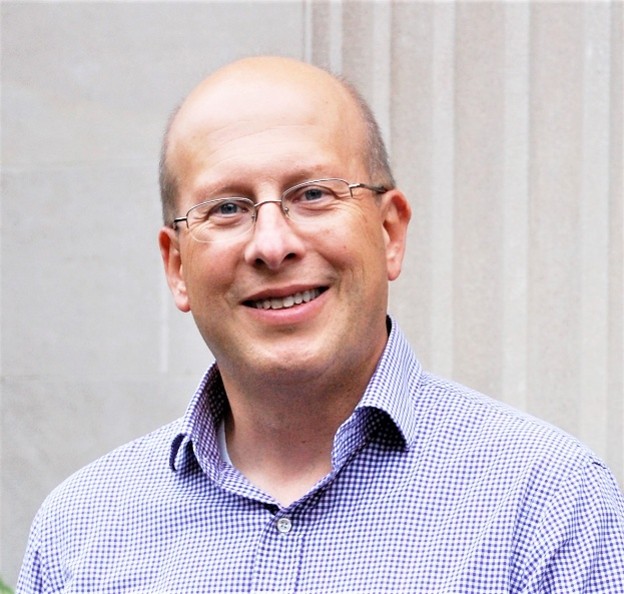 Dr. Davin Herrin
is a professor in Mechanical Engineering at the University of Kentucky. He received both his B.S. and M.S. degrees from the University of Cincinnati and his Ph.D. from University of Kentucky. He is the author of over 200 journal and conference papers. Dr. Herrin has directed the Vibro-Acoustics Consortium, a group of companies interested in the development and use of noise prediction technology, since 2008. He has supervised numerous Ph.D. and M.S. students who now work as noise control engineers in industry. He is a registered Professional Engineer in the state of Kentucky. Dr. Herrin received the Institute of Noise Control Engineering (INCE-USA) Outstanding Educator Award in 2019. He is an INCE-USA Fellow, SAE Fellow, ASHRAE Fellow, and ASME Fellow.
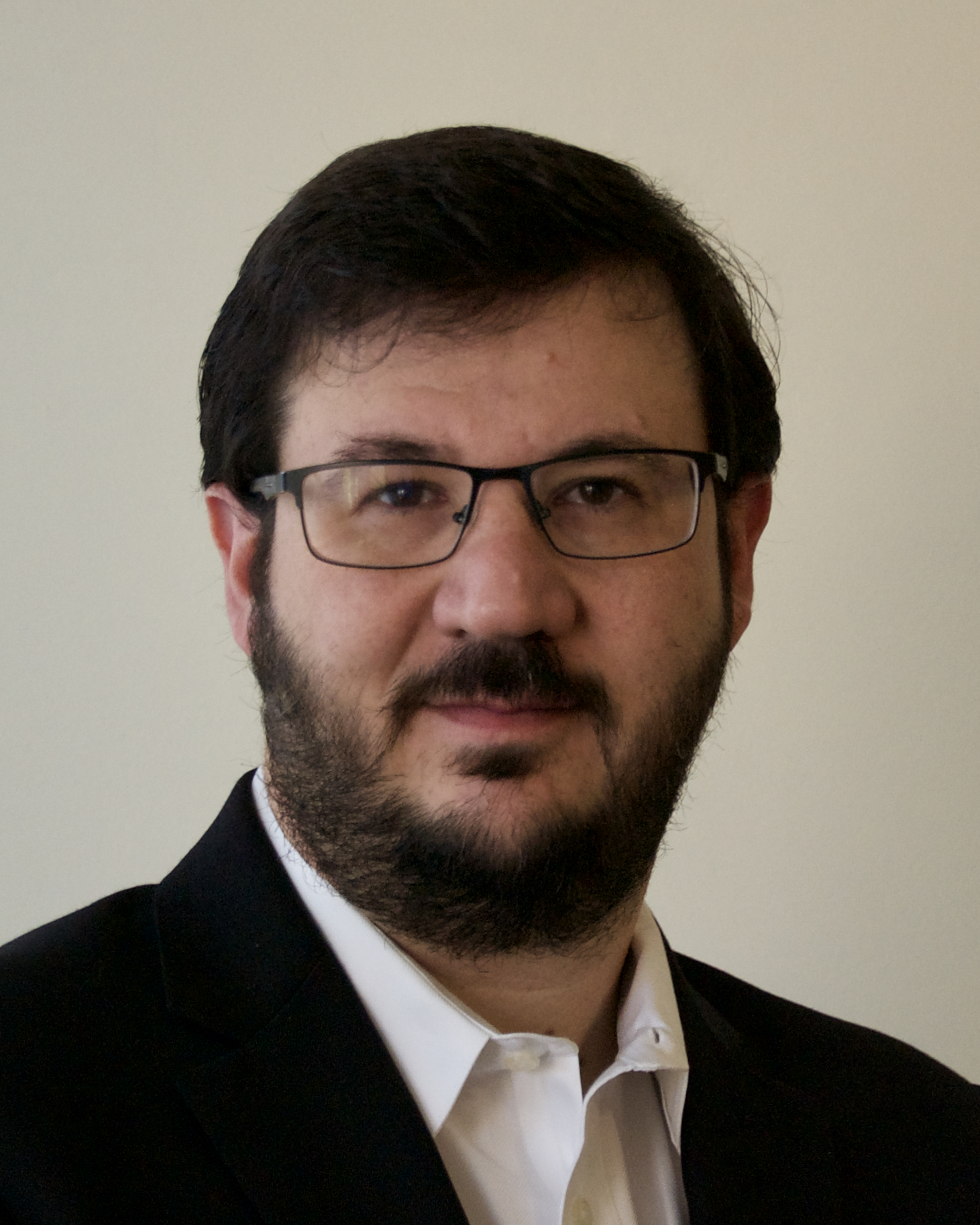 Matthew Golden, INCE Bd.Cert.,
is a Principal Consultant in noise, acoustics, and vibration at Intertek Building Science Solutions. He holds an MS in Acoustics and a BS in Mechanical Engineering from Penn State and has more than 25 years of experience in consulting, product development, and laboratory research, including mentoring and training young engineers. He has served on the INCE-USA Board of Directors and Certification Board and is co-founding chair of the Technical Badge Program, which teaches and evaluates knowledge of the ASTM and ASA/ANSI standards most relevant to practitioners. He also chairs ASTM E33.10 subcommittee on Structural Acoustics and Vibration and formerly headed the US delegation to ISO TC43/SC2.
 Dr. Lily Wang
is the Charles W. and Margre H. Durham Distinguished Professor of Engineering and Technology, and Director of the Durham School of Architectural Engineering and Construction in the College of Engineering at the University of Nebraska - Lincoln, where she has been a faculty member since 2000. She received a Ph.D. in Acoustics from Penn State and a B.S. In Civil Engineering from Princeton University. Her research and teaching interests focus on room acoustic and noise control topics, particularly human comfort and performance in built spaces. She is a Fellow of the Acoustical Society of America (ASA); Board-Certified by the Institute of Noise Control Engineering; a Professional Engineer licensed in Acoustics through the state of Oregon; and a recipient of the ASA R. Bruce Lindsay Award, NSF CAREER Award, and ASHRAE Ralph G. Nevins Physiology and Human Environment Award. She has served as ASA President (2018-19), Vice-President (2015-16) and Chair of its Technical Committee on Architectural Acoustics (2004-07).
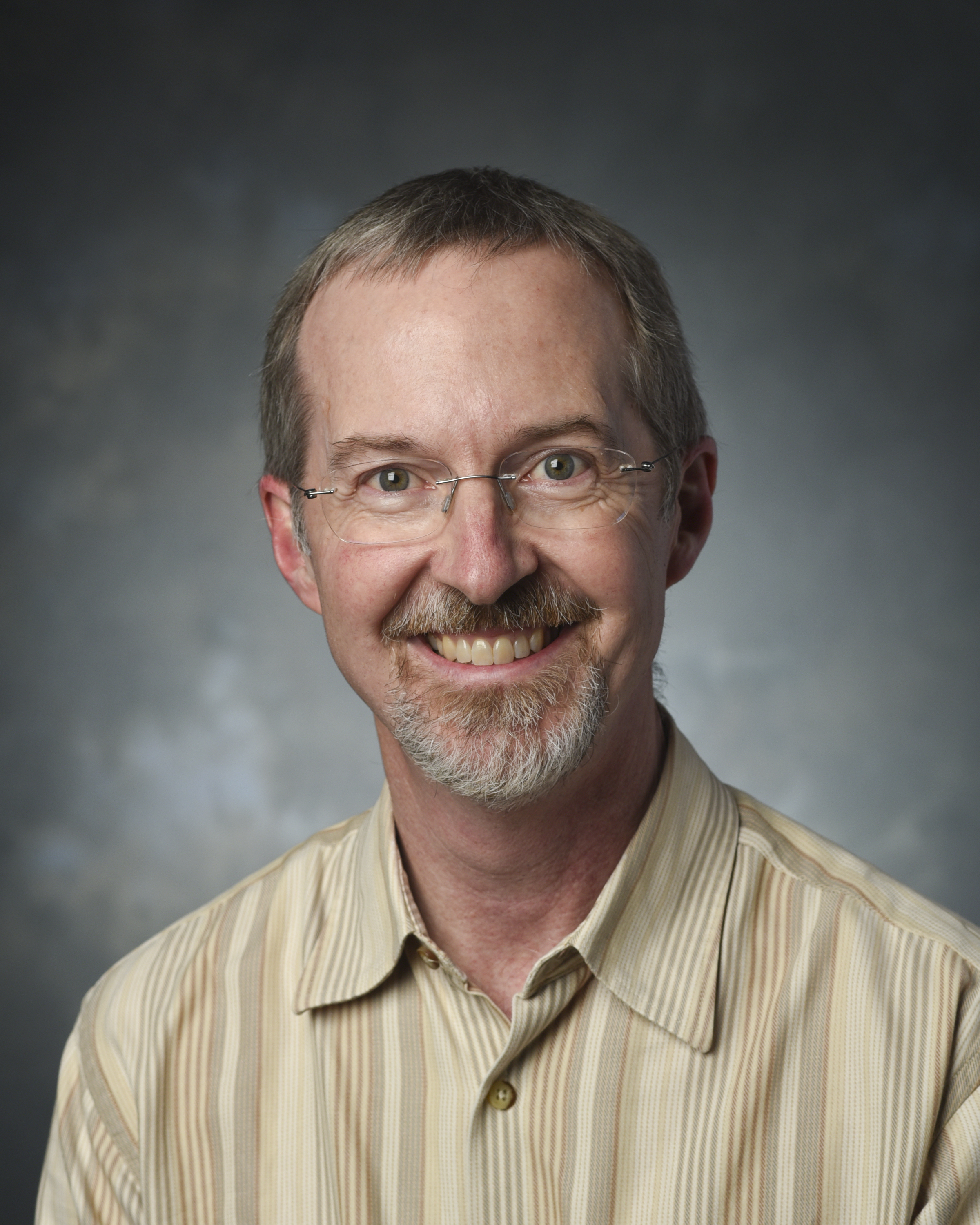 Dr. Steve Hambric
has worked for 40 years in flow-induced vibration and sound and noise control for the US Navy, Penn State University, the Nuclear Regulatory Commission (NRC), and several US companies. He has published extensively in peer-reviewed journals, books, and conference proceedings. He edited and co-wrote the book
Engineering Vibroacoustic Analysis – Methods and Applications and has co-edited four books on Flow Induced Noise and Vibration Analysis (FLINOVIA series by Springer). He is a fellow of the American Society of Mechanical Engineers (ASME) and the Institute for Noise Control Engineering (INCE). He has developed and taught short courses on vibration and sound, flow-induced vibration, and signal processing to US government agencies and private companies for over 25 years.
You can find examples of Dr. Hambric’s lectures on his website www.hambricacoustics.com, including a structural-acoustic tutorial given as the ASME Rayleigh lecture in 2021. There are also on-demand webinars on measurement methods on the PCB Piezotronics website https://www.pcb.com/about/training as well as several short tutorial articles available for download.
Moderators
 Steve Sorenson
currently works at Toyota Motor R&D North America in Ann Arbor, MI, on vehicle development in noise and vibration, with previous professional experience at other automotive OEMs and suppliers. He is past president of INCE-USA, an INCE Fellow, a previous general chair of SAE Noise and Vibration Conference and technical co-chair of several NOISE-CON events.
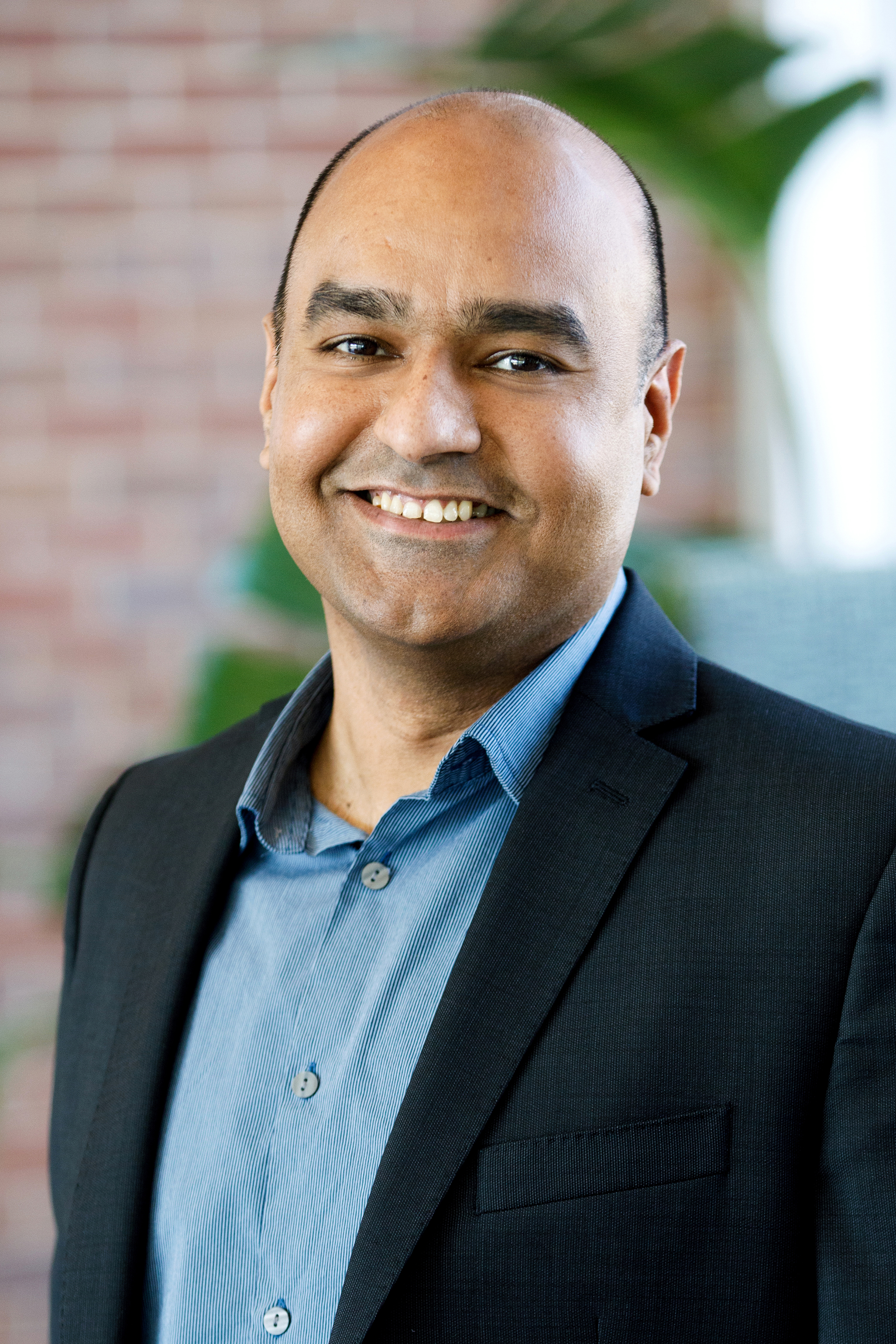 Dr. Bisham Sharma
is an Associate Professor and Director of Research in the Department of Mechanical and Aerospace Engineering at Michigan Technological University, where he leads the Mechanics, Acoustics, and Dynamics Laboratory (MADLab). His research develops architected materials for sound and vibration control, with a focus on additively manufactured acoustical materials — from 3D-printed sound absorbers and aircraft engine liners to elastic-wave metamaterials. His work has been supported by NASA, the U.S. Air Force, and industry partners. He received his Ph.D. in Aeronautical and Astronautical Engineering from Purdue University and previously served on the faculty of Wichita State University.
